Be yourself; Everyone else is already taken.
— Oscar Wilde.
This is the first post on my new blog. I’m just getting this new blog going, so stay tuned for more. Subscribe below to get notified when I post new updates.
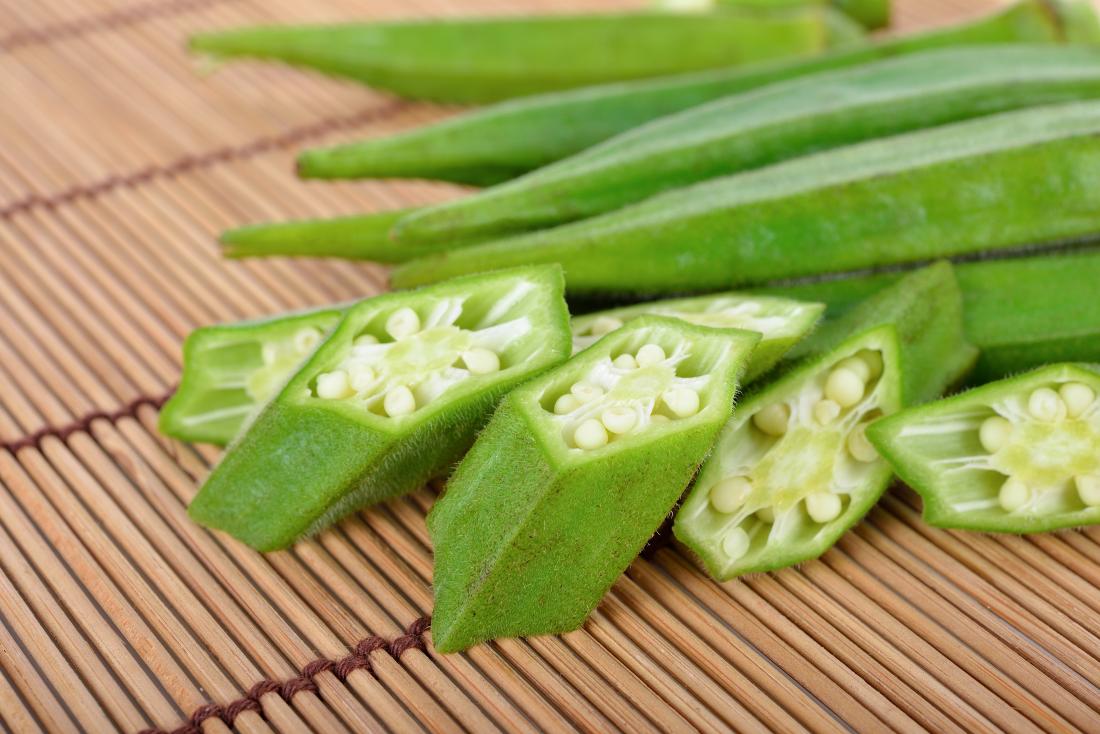
Okra(Lady’s Finger) is a nutritious food with many health benefits.
Okra is filled with vitamin A, vitamin B, vitamin C, vitamin K, calcium, folic acid, fiber, potassium, antioxidants, and some vital phytonutrient.
Vitamin C is a water-soluble nutrient that contributes to your overall immune function.
Vitamin K1 is a fat – soluble vitamin that’s known for its role in blood clotting.
Okra is low in calories and carbs and contains some protein and fiber. Many fruits and vegetables lack protein which makes okra something special.
The antioxidants in okra are polyphenols, including flavonoids and isoquercetin, as well as vitamins A and C helps in achieving a healthy youthful skin.
Polyphenols may improve heart health and benefit brain health by lowering your risk of blood clots and oxidative damage
Fiber present in this vegetable improve your digestion and also keep you satisfied for a long time, thus minimizing your food cravings.
Essential nutrients in this boosts your body’s metabolism and strengthens your muscles.
Okra contains a thick gel-like substance called mucilage, which can bind to cholesterol during digestion, causing it to be excreted with stools rather than absorbed into your body.
Folate (vitamin B9) in this may help pregnant women meet their daily needs. Folate is important for preventing neural tube defects.
Folate is also an essential nutrient which helps in preventing cancer.
Okra may benefit pregnant women’s healthy heart and control blood sugar.
Fiber present in this improving insulin sensitivity and also aids in controlling and maintaining blood sugar
Myricetin is a substance known to improve and increase sugar absorption by muscles .
Fibre in this lower the bad cholesterol level and promote good cholesterol .
Fibers modify the production of bile juice in the intestines, thus, lowering cholesterol levels in the blood.
Magnesium in okra, helps in maintaining and regulating your blood pressure level in the body.
Protein called lectin ,which fights breast cancer and suppresses cancer cell growth.
Dietary fibers present in okra aids in effective digestion and improve bowel movement.
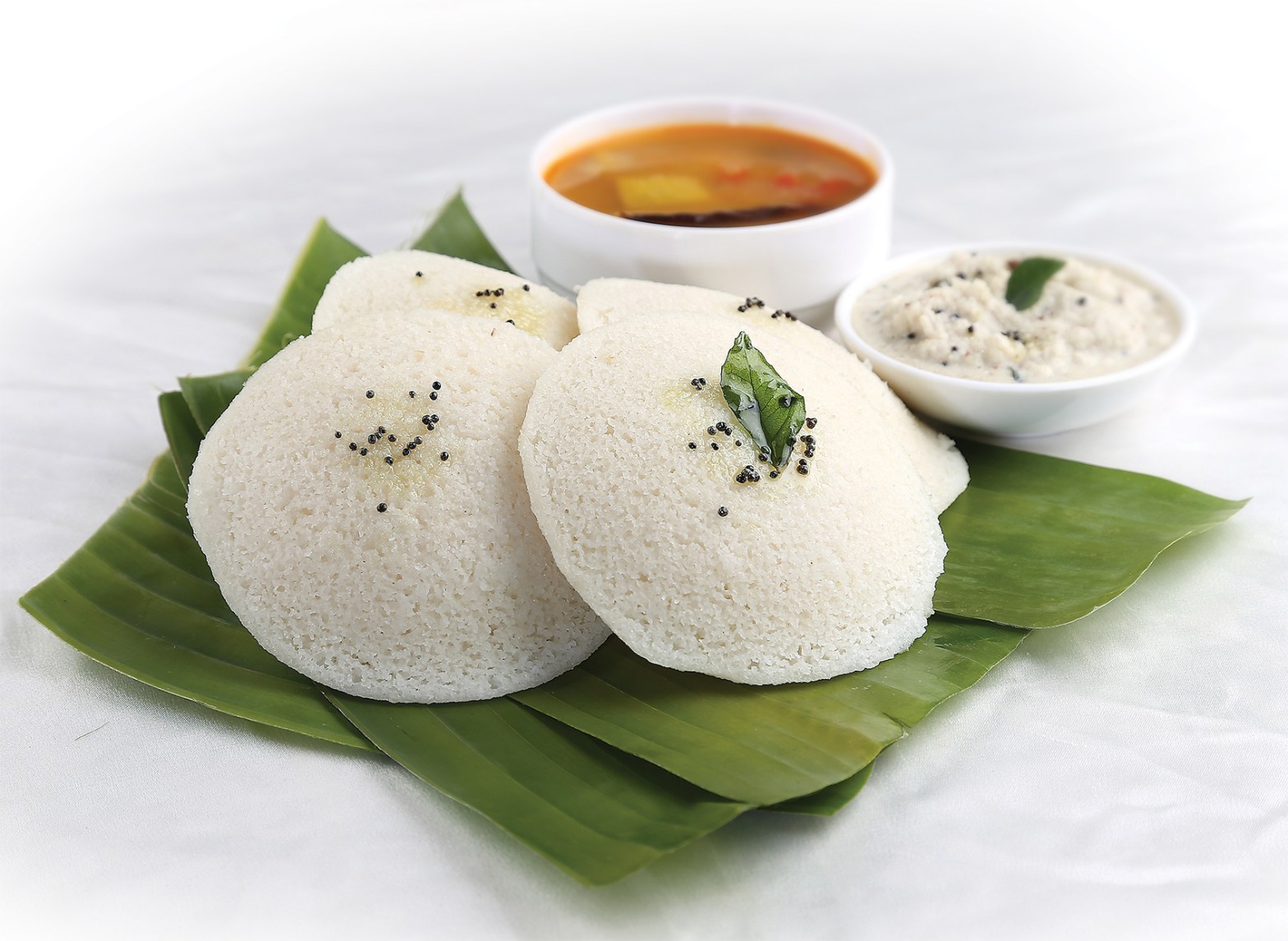
இட்லி
நம் உடலின் ஆரோக்கியமே உள்ளத்தின் ஆரோக்கியம். நாம் ஆரோக்கியமாக வாழ நல்ல உணவு பழக்கவழக்கம் முக்கியமானது. நாம் உண்ணும் உணவு சுவையாகவும் தரமானதாகவும் இருக்க வேண்டும். சுவையும் ஆரோக்கியமும் சேர்த்த உணவுகளில் தென்னிந்திய உணவுகள் முக்கிய பங்கு வகிக்கின்றது. அத்தகைய சுவையும் ஆரோக்கியமும் சேர்த்த உணவுகளில் ஒன்று தான் இட்லி.
இட்லி, தமிழர்களின் பாரம்பரிய உணவு. சுவையும், ஆரோக்கியமும் சேர்ந்த எளிமையான உணவு
உங்கள் காலை உணவை சற்று ஆரோக்கியமாக மாற்ற உணவு பட்டியலில் நிச்சயம் இட்லியை சேர்த்து கொள்ளுங்கள்
ஆரோக்கிய நன்மைகள்
அரிசி, உளுந்து ஆகியவை இட்லியின் முக்கிய பொருட்கள். இது எந்த எண்ணெயும் சேர்க்கப்படாத உணவு என்பதால் ஆரோக்கியத்திற்கு முதல் இடம்.மேலும்,அதிக நார்ச்சத்து மற்றும் குறைந்த கலோரி கொண்டுள்ளது..
இட்லியில் கொழுப்பு மற்றும் நிறைவுற்ற கொழுப்பு இல்லை. குறைவான நிறைவுற்ற கொழுப்பு மற்றும் கொழுப்பை உட்கொள்வது உங்கள் இருதய நோய் மற்றும் பக்கவாதம் ஏற்படும் அபாயத்தை குறைக்கிறது.
இட்லியில் கார்போஹைட்ரேட்டுகள், புரதங்கள், என்சைம்கள், கொழுப்புகள், அமினோ அமிலங்கள் மற்றும் நார்ச்சத்து அதிகம் உள்ளது.
மேலும், இது எந்த நிறைவுற்ற கொழுப்புகள் மற்றும் கொலெஸ்ட்ரால்களை கொண்டிருக்கவில்லை, காலை உணவாக நாம் உட்கொள்ளும் இட்லி நமது உடலில் மிக எளிதிக செரிக்கப்படுகிறது.
இது குறைந்த அளவு கார்போஹைட்ரேட்டுகளைக், குறிப்பிடத்தக்க அளவு புரதம் மற்றும் நார்ச்சத்துக்கள் நிறைத்த உணவு. ஆரோக்கியமான பெரியவர்களுக்கு தினமும் 60 கிராம் புரதமும் 250 கிராம் கார்போஹைட்ரேட்டுகளும் தேவைப்படுகின்றன. புரதம் தசையை வலுவாக்க உதவுகிறது, அதே போல் கார்போஹைட்ரேட்டுகளும் ஆற்றலை வழங்குகின்றன. ஃபைபர் ஆரோக்கியமான செரிமானத்தை ஊக்குவிக்கிறது ஆண்களுக்கு நார்ச்சத்து தினசரி தேவை 30 முதல் 35 கிராம் வரை நார்ச்சத்து மற்றும் பெண்களுக்கு 24 முதல் 30 கிராம் வரை இருக்கும்.
இட்லியுடன் நாம் சேர்த்து உண்ணும் தேங்காய் சட்னி மற்றும் சாம்பார் உணவுக்கு மேலும் சுவையையும் ஆரோக்யத்தையும் கூட்டுகிறது . இது வழக்கமாக சில புரதங்களுடன் வைட்டமின் சி கொண்டுள்ளது.
இத்தகைய சுவையான நம் தமிழர்களின் பாரம்பரிய உணவை எடுத்து கொண்டு ஆரோக்யமாக வாழ்வோம் .
இந்த பதிவு உங்களுக்கு பிடித்திருந்தால் லைக் மற்றும் ஷேர் செய்யுங்கள்.
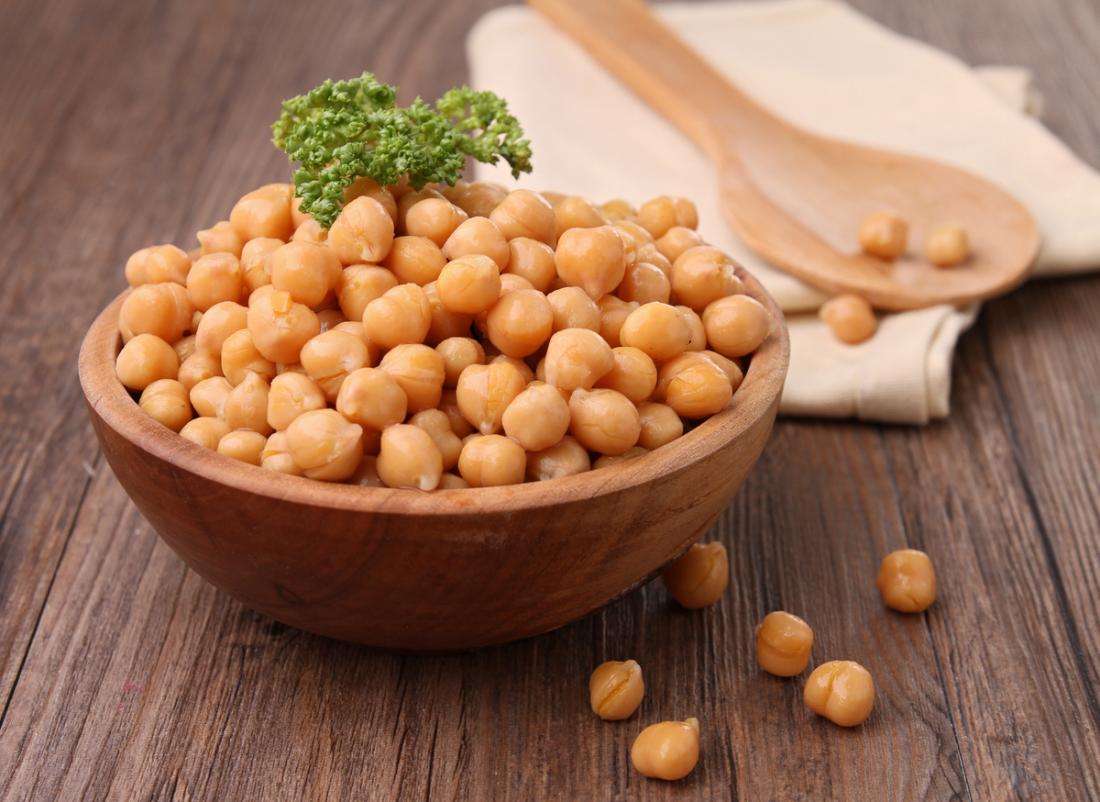
Chickpeas, are a type of legume. The most common type has a round shape and a beige color, but other varieties are black, green, or red. Their nutrients have various health benefits.
Like other legumes, such as lentils, chickpeas are rich in fiber and protein. They also contain several key vitamins and minerals.
chickpeas can be a healthful choice.
The protein in chickpeas may be beneficial for skin health.
Chickpeas contain a range of nutrients, including protein, which is necessary for bone, muscle, and skin health.
For people who are cutting down on meat consumption, a dish of chickpeas and rice, for example, can contribute a significant amount of protein to the diet. A cup of chickpeas provides almost one-third of an adult’s daily protein needs.
The nutrients in chickpeas may also help prevent a number of health conditions.
Diabetes
One cup of chickpeas, weighing 164 grams (g), provides 12.5 g of fiber.
Fiber may benefit people with diabetes. chickpeas as a source of dietary fiber.
Eating at least 30 g of fiber per day could help reduce inflammation in people with type 1 diabetes.
High fiber diet may help lower blood glucose levels and reduce the risk of developing type 2 diabetes.
Adults consume 25.2–28.0 g of fiber a day, depending on age and sex.
Chickpeas can play a role in a healthful diabetes meal plan.
Bone health
The iron, calcium, and other nutrients in chickpeas can all contribute to healthy bone structure and strength. Chickpeas can play a role in the diet of people who want to prevent osteoporosis.
Blood pressure
To prevent high blood pressure, limit the intake of added sodium, or salt, and increase the intake of potassium.
adults consume at least 4,700 milligrams (mg) of potassium per day.
A cup of chickpeas, weighing 164 g, provides 474 mg of potassium.
Cooking with dry chickpeas can help limit the amount of salt in a meal.
Adults should keep their sodium intake below 2,300 mg per day, while people aged 51 or over and those with risk factors for cardiovascular disease should consume less than 1,500 mg per day.
Heart health
The fiber, potassium, B vitamins, iron, magnesium, and selenium in chickpeas all support heart health.
Fiber helps decrease the risk of heart disease by lowering cholesterol levels in the blood. Chickpeas contain no cholesterol.
Cancer
Free radicals are toxic substances that accumulate in the body, as a result of metabolism and other factors. As these toxins build up, they can damage cells and lead to a variety of health problems, including cancer.
Antioxidants help the body remove free radicals, and the selenium and beta carotene in chickpeas act as antioxidants.
A cup of chickpeas contains 6.1 micrograms (mcg) of selenium. Adults consume 55 mcg of selenium a day. They also note that selenium’s antioxidant activity may help protect the body from cancer.
The fiber, which chickpeas contain, can help reduce the risk of colorectal cancer.
Cholesterol
People had less low density lipoprotein (LDL), or “bad,” cholesterol in their blood when they ate a diet with added chickpeas.
The fiber in chickpeas may be responsible for the reduction in LDL cholesterol.
Mental health
A cup of chickpeas contains 69.7 mg of choline, which helps with brain and nervous system function. Choline plays a role in mood, muscle control, learning, and memory, as well as the body’s metabolism.
Aadults consume 400–550 mg of choline a day, depending on sex and whether they are pregnant or breastfeeding.
selenium deficiency may increase the risk of cognitive decline in older people. This would imply that selenium can support cognitive health, including memory and thinking.
Digestion and regularity
Fiber helps keep the digestive tract healthy and promotes regularity. Chickpeas are a good source of fiber.
Weight management and satiety
Dietary fibers function as bulking agents in the digestive system. Bulking agents increase the feeling of fullness after eating, and protein has the same effect.
Feeling fuller for longer after eating can help reduce the appetite and lower a person’s caloric intake.
Anemia
Without iron, the body cannot deliver oxygen to its cells, and this can lead to iron deficiency anemia. Symptoms include weakness and tiredness. In severe cases, life threatening complications can arise.
A cup of chickpeas contains 4.7 mg of iron, or between a half and one-fifth of a person’s daily requirement, depending on the individual. It also provides some vitamin C, which helps the body absorb iron.
For people following a vegan or vegetarian diet, chickpeas are an excellent choice, as they provide protein, iron, selenium, and B vitamins.
People can buy chickpeas all year, dried or canned, in grocery stores. Their nutty flavor and buttery texture make them easy to add to any meal.
Preparing dried chickpeas
1. Sort and wash: Depending on the supplier, there may be small rocks, dust, or other debris in the package.
2. Soak: Leave the chickpeas in water overnight, or until they split easily between the fingers. Soaking dried legumes reduces the cooking time, helps break down ingredients that can cause gastrointestinal discomfort, and removes some harmful substances in raw legumes.
3. Cook: Drain and rinse the chickpeas, then place them in a pan with plenty of water. Simmer for 2 hours on the stove until they are tender. Remember to top up the water from time to time.
People should not eat raw chickpeas or other raw pulses, as they contain toxins and substances that are difficult to digest.
Even cooked chickpeas have complex sugars that can be difficult to digest and lead to intestinal gas and discomfort.
Introduce legumes into the diet slowly so that the body can get used to them.
Fiber and IBS
Some types of fiber may make symptoms of irritable bowel syndrome, or IBS, worse.
Anyone with this condition should ask their doctor for advice about which forms of fiber to consume.
Chickpeas and potassium
Beta-blockers are a type of medication that doctors often prescribe for heart disease. They can cause potassium levels to increase in the blood.
Potassium can help manage blood pressure, but too much can be harmful for the kidneys. People who use beta-blockers should consume high potassium foods, such as chickpeas, in moderation.
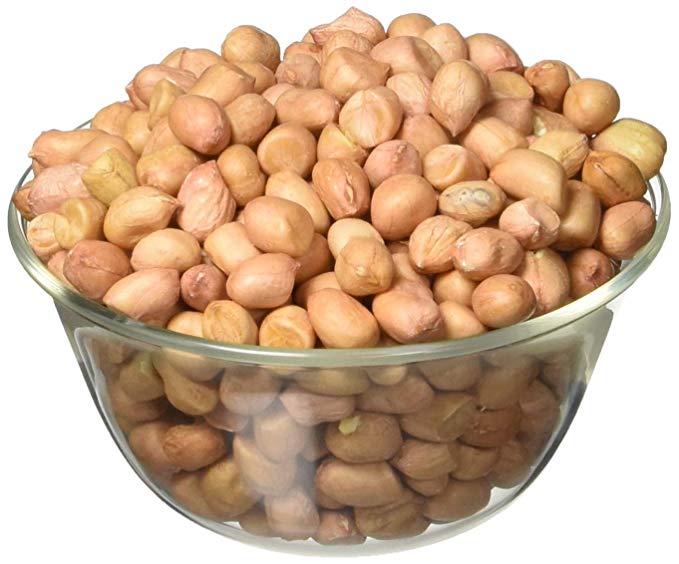
உலகின் சத்து மிகுந்த உணவுப்பொருள் பட்டியலில் முக்கிய இடத்தில் இருப்பது நிலக்கடலை. இது நீரழிவு, இதயநோய், கர்ப்பப்பை பிரச்சனைகள், புற்று நோய் மற்றும் உடல் பருமனையும் கட்டுப்படுத்தும். நிலக்கடலையை தொடர்ந்து சாப்பிடும் பெண்களுக்கு கர்ப்பப்பை சீராக செயல்படுவதுடன் கர்ப்பபை கட்டிகள், நீர்க்கட்டிகள் பிரச்சனை இருக்காது.
இதில் உள்ள மாங்கனீஸ் அமிலம், ரத்தத்தில் உள்ள மாவுச்சத்து மற்றும் கொழுப்பு மாற்றத்தில் முக்கிய பங்கு வகிக்கிறது. இது நீரிழிவு நோயாளிகளின் ரத்த சர்க்கரை அளவை கட்டுப்படுத்துகிறது. எனவே நீரிழிவு நோயாளிகள் தினமும் ஒரு கைப்பிடி அளவு நிலக்கடலைஉண்பது நல்லது.
நம் உணவில் இருக்கும் கால்சியம் உடலுக்கு கிடைக்க உதவுகிறது. குறிப்பாக பெண்கள், முதியவர்கள் நிலக்கடலை சாப்பிட்டு வந்தால் ஆஸ்டியோ போரோசிஸ் என்னும் எலும்புத்துளை நோய் வராமல் பாதுகாக்கலாம். தினமும் 30 கிராம் நிலக்கடலை சாப்பிட்டு வந்தால் பித்தப்பை கல் உருவாவதை தடுக்க முடியும்.
நிலக்கடலையில் ரெஸ்வரெட்ரால் என்ற சத்து நிறைந்துள்ளது. இது இதய நரம்புகளை பாதுகாக்கிறது. இதயநோயை தடுக்கிறது. மாரடைப்பு அபாயத்தை கட்டுப்படுத்துகிறது. நிலக்கடலையில் உள்ள தாமிரம் மற்றும் துத்தநாக சத்து உடலில் உள்ள தீமை செய்யும் கொழுப்பை குறைத்து நன்மை செய்யும் கொழுப்பை அதிகமாக்குகிறது.
நிலக்கடலையில் உள்ள பாலிபனீல்ஸ் என்ற ஆன்டிஆக்சிடென்ட் அமிலம் நோய் எதிர்ப்பு சக்தியை அதிகரித்து, இளமையை பராமரிக்க உதவுகிறது. இதில் உள்ள நியாசின் மூளை வளர்ச்சிக்கும், ஞாபக சக்திக்கும், ரத்த ஓட்டத்தை சீராக்கவும் உதவும்.
நாம் மிகவும் சத்தானவை என கருதும் பாதாம், பிஸ்தா, முந்திரிப்பருப்பை விட வேர்கடலை அதிக சத்து மிக்கது ஆகும். பெண்களுக்கு தேவையான போலிக் அமிலம், கால்சியம், இரும்புச்சத்து, வைட்டமின்கள் இ 1, இ 12, உள்ளிட்ட ஏராளமான சத்துக்கள் உள்ளன.
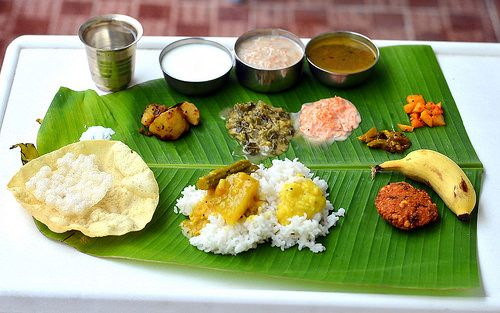
The key lies in fermentation.
As almost every food item in the South Indian cuisine menu goes through fermentation, it is good for health. The fermented food items have three really great advantages over other food items.
1.It is easier to digest; your body needs to put in less energy to consume the South Indian cuisine.”
2.Fermented food has a higher nutritional value. That is so because the fermentation process boosts the nutritional value of the food. It also leads to good bacteria intake in the body. And as the nutritional value increases, our body absorbs more nutrients.
3.Fermented food also gives a boost to the gut health of the human body. Regular consumption of the South Indian cuisine leads to overall good gut health.
We also know that the majority of the lifestyle diseases emerge from a bad gut, and fermented food fights those diseases.
That is not the case when it comes to food from other regions of India, especially the North India. Most of the North Indian food is not fermented. People in North India eat chapatis or boiled pulses and that food does not have the same effect on our body as fermented food has.
Fermentation is not the only key ingredient in the South Indian cuisine; fermented food cooked in coconut oil is the original game changer. We all know the benefits of coconut oil.
All these things are connected: healthy gut, nice skin and good hair. The consumption of South Indian cuisine affects you internally as well as externally. And do not forget the consumption of coconut water: it helps maintain the electrolyte balance in the body.
south Indian Food
This is an example post, originally published as part of Blogging University. Enroll in one of our ten programs, and start your blog right.
You’re going to publish a post today. Don’t worry about how your blog looks. Don’t worry if you haven’t given it a name yet, or you’re feeling overwhelmed. Just click the “New Post” button, and tell us why you’re here.
Why do this?
The post can be short or long, a personal intro to your life or a bloggy mission statement, a manifesto for the future or a simple outline of your the types of things you hope to publish.
To help you get started, here are a few questions:
You’re not locked into any of this; one of the wonderful things about blogs is how they constantly evolve as we learn, grow, and interact with one another — but it’s good to know where and why you started, and articulating your goals may just give you a few other post ideas.
Can’t think how to get started? Just write the first thing that pops into your head. Anne Lamott, author of a book on writing we love, says that you need to give yourself permission to write a “crappy first draft”. Anne makes a great point — just start writing, and worry about editing it later.
When you’re ready to publish, give your post three to five tags that describe your blog’s focus — writing, photography, fiction, parenting, food, cars, movies, sports, whatever. These tags will help others who care about your topics find you in the Reader. Make sure one of the tags is “zerotohero,” so other new bloggers can find you, too.

 bharath's blog