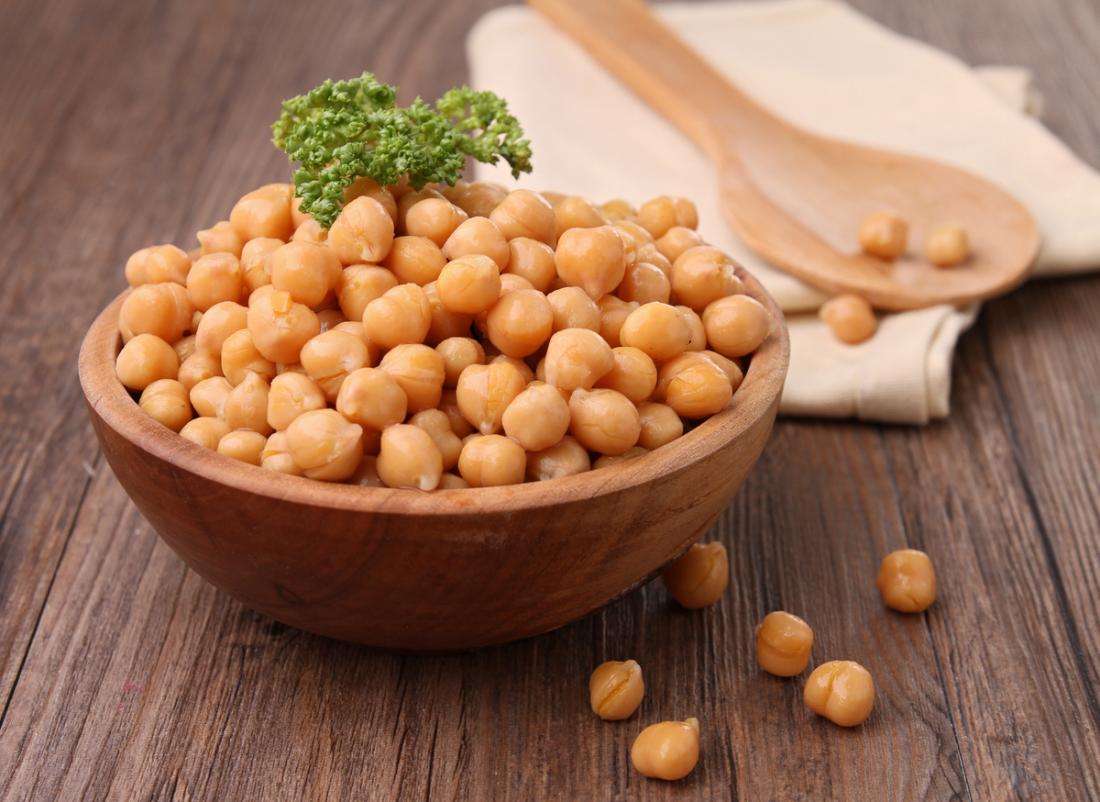
Chickpeas, are a type of legume. The most common type has a round shape and a beige color, but other varieties are black, green, or red. Their nutrients have various health benefits.
Like other legumes, such as lentils, chickpeas are rich in fiber and protein. They also contain several key vitamins and minerals.
chickpeas can be a healthful choice.
The protein in chickpeas may be beneficial for skin health.
Chickpeas contain a range of nutrients, including protein, which is necessary for bone, muscle, and skin health.
For people who are cutting down on meat consumption, a dish of chickpeas and rice, for example, can contribute a significant amount of protein to the diet. A cup of chickpeas provides almost one-third of an adult’s daily protein needs.
The nutrients in chickpeas may also help prevent a number of health conditions.
Diabetes
One cup of chickpeas, weighing 164 grams (g), provides 12.5 g of fiber.
Fiber may benefit people with diabetes. chickpeas as a source of dietary fiber.
Eating at least 30 g of fiber per day could help reduce inflammation in people with type 1 diabetes.
High fiber diet may help lower blood glucose levels and reduce the risk of developing type 2 diabetes.
Adults consume 25.2–28.0 g of fiber a day, depending on age and sex.
Chickpeas can play a role in a healthful diabetes meal plan.
Bone health
The iron, calcium, and other nutrients in chickpeas can all contribute to healthy bone structure and strength. Chickpeas can play a role in the diet of people who want to prevent osteoporosis.
Blood pressure
To prevent high blood pressure, limit the intake of added sodium, or salt, and increase the intake of potassium.
adults consume at least 4,700 milligrams (mg) of potassium per day.
A cup of chickpeas, weighing 164 g, provides 474 mg of potassium.
Cooking with dry chickpeas can help limit the amount of salt in a meal.
Adults should keep their sodium intake below 2,300 mg per day, while people aged 51 or over and those with risk factors for cardiovascular disease should consume less than 1,500 mg per day.
Heart health
The fiber, potassium, B vitamins, iron, magnesium, and selenium in chickpeas all support heart health.
Fiber helps decrease the risk of heart disease by lowering cholesterol levels in the blood. Chickpeas contain no cholesterol.
Cancer
Free radicals are toxic substances that accumulate in the body, as a result of metabolism and other factors. As these toxins build up, they can damage cells and lead to a variety of health problems, including cancer.
Antioxidants help the body remove free radicals, and the selenium and beta carotene in chickpeas act as antioxidants.
A cup of chickpeas contains 6.1 micrograms (mcg) of selenium. Adults consume 55 mcg of selenium a day. They also note that selenium’s antioxidant activity may help protect the body from cancer.
The fiber, which chickpeas contain, can help reduce the risk of colorectal cancer.
Cholesterol
People had less low density lipoprotein (LDL), or “bad,” cholesterol in their blood when they ate a diet with added chickpeas.
The fiber in chickpeas may be responsible for the reduction in LDL cholesterol.
Mental health
A cup of chickpeas contains 69.7 mg of choline, which helps with brain and nervous system function. Choline plays a role in mood, muscle control, learning, and memory, as well as the body’s metabolism.
Aadults consume 400–550 mg of choline a day, depending on sex and whether they are pregnant or breastfeeding.
selenium deficiency may increase the risk of cognitive decline in older people. This would imply that selenium can support cognitive health, including memory and thinking.
Digestion and regularity
Fiber helps keep the digestive tract healthy and promotes regularity. Chickpeas are a good source of fiber.
Weight management and satiety
Dietary fibers function as bulking agents in the digestive system. Bulking agents increase the feeling of fullness after eating, and protein has the same effect.
Feeling fuller for longer after eating can help reduce the appetite and lower a person’s caloric intake.
Anemia
Without iron, the body cannot deliver oxygen to its cells, and this can lead to iron deficiency anemia. Symptoms include weakness and tiredness. In severe cases, life threatening complications can arise.
A cup of chickpeas contains 4.7 mg of iron, or between a half and one-fifth of a person’s daily requirement, depending on the individual. It also provides some vitamin C, which helps the body absorb iron.
For people following a vegan or vegetarian diet, chickpeas are an excellent choice, as they provide protein, iron, selenium, and B vitamins.
People can buy chickpeas all year, dried or canned, in grocery stores. Their nutty flavor and buttery texture make them easy to add to any meal.
Preparing dried chickpeas
1. Sort and wash: Depending on the supplier, there may be small rocks, dust, or other debris in the package.
2. Soak: Leave the chickpeas in water overnight, or until they split easily between the fingers. Soaking dried legumes reduces the cooking time, helps break down ingredients that can cause gastrointestinal discomfort, and removes some harmful substances in raw legumes.
3. Cook: Drain and rinse the chickpeas, then place them in a pan with plenty of water. Simmer for 2 hours on the stove until they are tender. Remember to top up the water from time to time.
People should not eat raw chickpeas or other raw pulses, as they contain toxins and substances that are difficult to digest.
Even cooked chickpeas have complex sugars that can be difficult to digest and lead to intestinal gas and discomfort.
Introduce legumes into the diet slowly so that the body can get used to them.
Fiber and IBS
Some types of fiber may make symptoms of irritable bowel syndrome, or IBS, worse.
Anyone with this condition should ask their doctor for advice about which forms of fiber to consume.
Chickpeas and potassium
Beta-blockers are a type of medication that doctors often prescribe for heart disease. They can cause potassium levels to increase in the blood.
Potassium can help manage blood pressure, but too much can be harmful for the kidneys. People who use beta-blockers should consume high potassium foods, such as chickpeas, in moderation.
 bharath's blog